1. Arrival in the Heart of Texas
The moment the wheels of the plane touched the tarmac at Austin-Bergstrom International Airport, there was an almost electric shift in atmosphere. The warm Texan breeze, infused with the scents of sunbaked earth and distant mesquite, greeted with an unspoken promise of stories waiting to unfold. The sky stretched wide and open, bearing the brilliance of early afternoon light. Austin was not merely a destination—it stood as the beating heart of Texas, where modern vibrancy pulses alongside deeply rooted heritage.
With every step further into the city, layers of its identity became more apparent. From towering oaks lining the boulevards to the low, worn limestone buildings hiding stories of centuries past, the city carried itself with an air of proud endurance. My itinerary centered around understanding this capital not through its nightlife or music—as worthy as they may be—but through its history. Museums, preserved buildings, statues, monuments—these would be the compass points of my journey.
2. The Texas State Capitol: Granite, Grandeur, and Governance
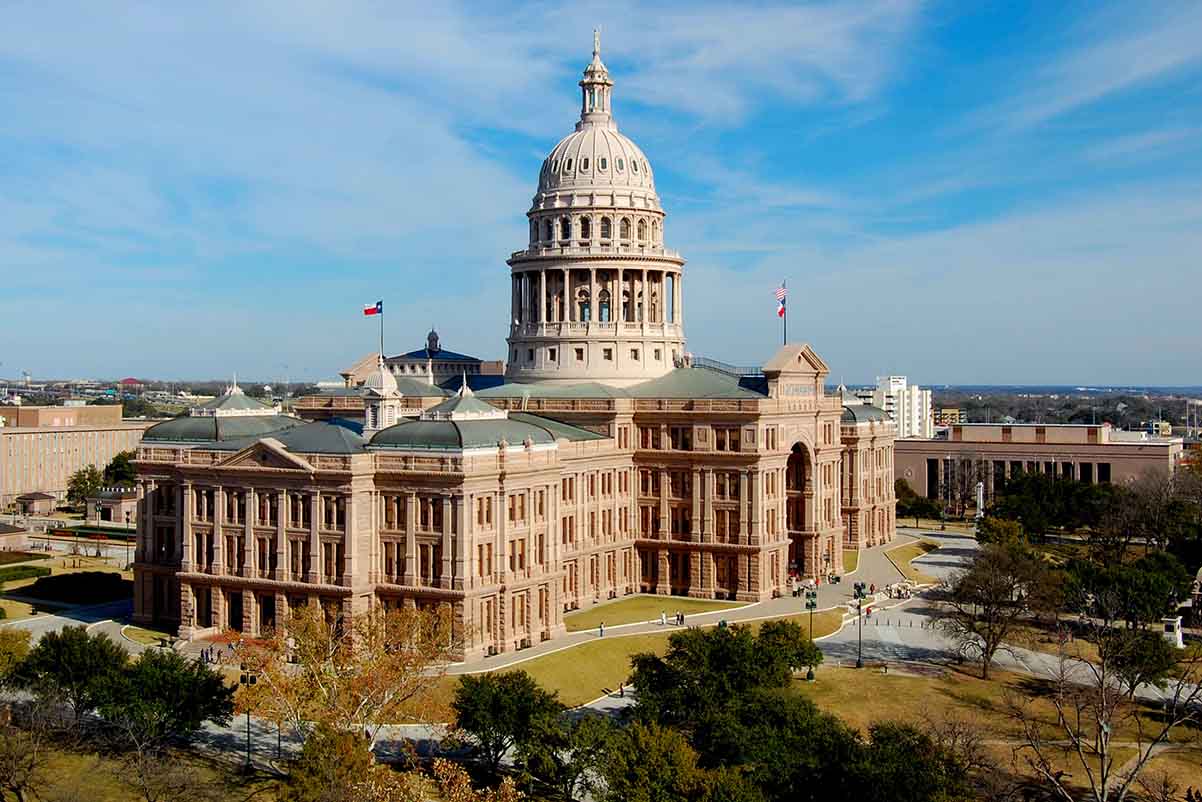
The Texas State Capitol dominates the skyline with a poise that demands attention. Its Renaissance Revival style evokes both classical beauty and Texas defiance. Built from “sunset red” granite quarried from Marble Falls, the building radiates under the afternoon sun in hues of dusty rose and warm sienna.
Walking up the broad lawn to the entrance, flanked by sycamores and bronze statues, I felt a sense of gravity uncommon in modern cities. Here, decisions had been made that shaped not only the destiny of a state but rippled across the nation. The Capitol is taller than the U.S. Capitol in Washington, D.C.—a fact that seems entirely in character with Texas’s self-assured spirit.
Inside, the rotunda soars skyward, ringed by portraits of governors and encircled with the six seals that represent the flags flown over Texas throughout its history: Spain, France, Mexico, the Republic of Texas, the Confederate States, and the United States. I stood still for several moments beneath that dome, absorbing the quiet echo of footsteps, the polished wood underfoot, and the stories etched into every marble tile.
Docents offer insights rich with detail—from the whispers of civil war strategy meetings in its chambers to the legislative wrestlings that brought about landmark education reforms. The House and Senate galleries are open to the public, and I found myself seated among a dozen others, listening to modern-day policy debates. The air was tense yet respectful, a living testament to the continuity of governance.
3. Bullock Texas State History Museum: Stories Etched in Stone and Steel
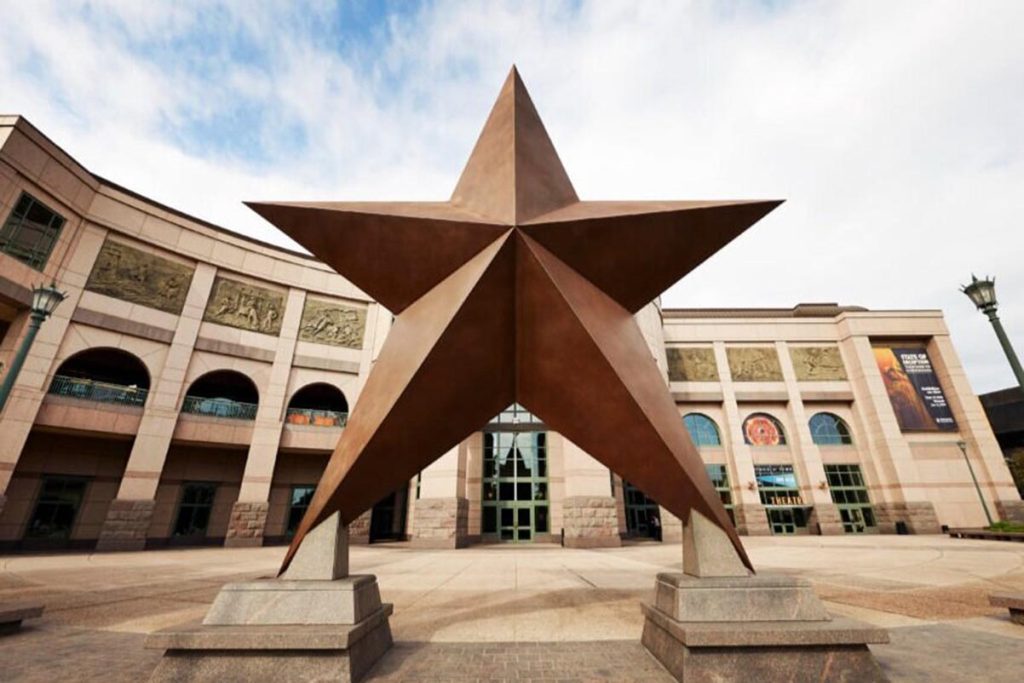
Just a short walk north lies the Bullock Texas State History Museum, a sleek but formidable structure standing at three stories tall. The entrance, watched over by a lone, towering bronze star, invites visitors into a curated time capsule of Texan identity.
The exhibits span from prehistoric fossils and Native American artifacts to oil booms and moon missions. I began at the ground level—“Becoming Texas”—where dim lighting and ambient soundscapes recreated the world before European contact. Ancient tools and ceremonial objects told the story of the Caddo and Comanche peoples, speaking of a land abundant yet fiercely contested.
Upstairs, in the “Texas Revolution” section, the walls widened and the tone shifted. Cannons, sabers, and hand-stitched flags narrated the fierce independence of the Republic of Texas. Letters from the Alamo defenders were displayed behind glass, their handwriting revealing a desperation tempered with dignity. One note, dated March 3, 1836, stood out in particular, written by William B. Travis—his plea for reinforcements was both chilling and inspiring.
Further on, the “Modern Texas” gallery transitioned into oil derricks, black-and-white photographs of Dust Bowl migrants, and interactive exhibits showing the rise of the space industry. It’s hard to look away from the sheer force of industry that shaped the modern state. Yet, amid all the oil rigs and rockets, a quieter section dedicated to Mexican-American labor movements caught my eye. Murals and personal artifacts told of struggles often overlooked, granting them a rightful place in the narrative.
The museum’s IMAX theater offered a brief detour, screening a historical documentary that pulled these threads together with breathtaking cinematography and haunting narration.
4. The Lyndon Baines Johnson Presidential Library: Shadows and Legacies
Set on the University of Texas campus, the LBJ Presidential Library rises like a monolith of mid-century optimism and silent contradictions. The building’s austere facade belies the depth of introspection housed within.
The ten floors trace the arc of Lyndon B. Johnson’s life and presidency, from Hill Country childhood to the halls of the White House. The centerpiece is a vast four-story archive encased in glass—boxes upon boxes of memos, letters, and government records stacked with almost sacred reverence.
I spent considerable time in the “Civil Rights” exhibit. Grainy footage of Johnson signing the Civil Rights Act played in a continuous loop, flanked by audio recordings of his conversations with Martin Luther King Jr. and other key figures. His voice, deep and drawling, projected both urgency and weariness.
Other sections delved into the Great Society programs, the escalation of the Vietnam War, and Johnson’s unexpected withdrawal from re-election. Artifacts were humble: pens used to sign bills, personal photographs, campaign buttons. But each object carried weight beyond its size—a kind of moral burden tied to the tumult of the 1960s.
In a small theater on the second floor, I watched excerpts from LBJ’s televised speeches. The room was quiet; the audience, diverse and mostly younger, sat in pensive silence. Whatever judgments one might hold about his policies, the presentation did not shy away from complexity, which made it all the more powerful.
5. The French Legation: Echoes from a Forgotten Frontier
Tucked away in East Austin, the French Legation is both modest and majestic—a remnant of Texas’s brief moment as a sovereign nation. The house, built in the 1840s, served as the residence for France’s representative to the Republic of Texas. Its white clapboard walls and shaded porches reflect a colonial elegance not often associated with the rough-hewn image of early Texas.
The tour begins outside under the live oaks. The guide, dressed in period attire, offers anecdotes laced with political intrigue and frontier hardship. Inside, the rooms have been preserved with care. Faded wallpaper, antique furnishings, and narrow staircases immerse visitors in a time when Texas’s independence was an open question rather than a settled fact.
The legation’s historical significance rests not in military might or economic power, but in diplomacy—a rare acknowledgment of the young republic’s international ambitions. Maps from the period showed borders drawn with a boldness that belied the fledgling state’s limited resources. France’s brief presence in Austin revealed how distant empires once watched this land with curious interest.
6. The Texas African American History Memorial and the Tejano Monument: Stories in Bronze
Capitol grounds are often overlooked as mere lawns and staging areas for public demonstrations, but in Austin, they form a kind of open-air museum in their own right. Among the more compelling installations are the Texas African American History Memorial and the Tejano Monument.
The African American History Memorial, unveiled in 2016, is a sweeping bronze sculpture that tells of slavery, emancipation, Reconstruction, and civil rights in one continuous motion. Figures stride forward together—men, women, and children—each etched with distinct expressions of hope, pain, and resolve. Plaques beneath them recount specific histories: Black cowboys, Buffalo soldiers, educators, lawmakers. The installation does not retreat from the brutality of the past, but it offers a sense of progress forged through struggle.
A short walk away, the Tejano Monument pays tribute to the early Spanish-speaking settlers and their descendants. Horses rear up beside men in traditional garb, while a woman holds an infant in her arms. The placement of these figures on the Capitol lawn speaks volumes; it’s not a token gesture, but a permanent marker of legacy and belonging.
7. O. Henry Museum and Brush Square: Wit and Irony in the Frontier City
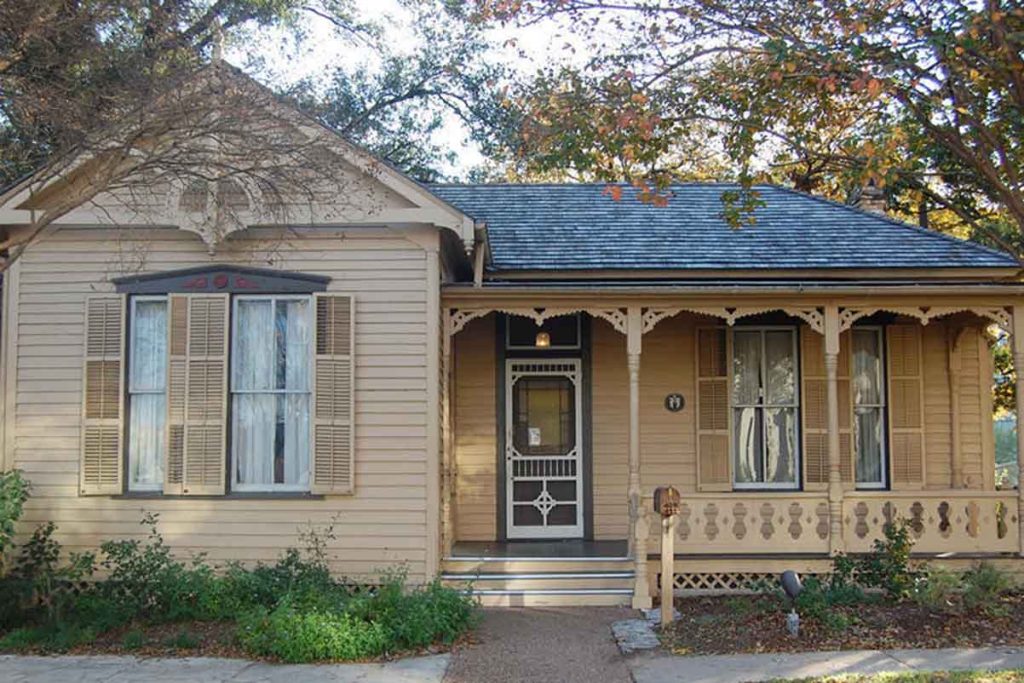
At Brush Square, the preserved cottage once inhabited by William Sydney Porter—better known as O. Henry—stands with humble charm. Surrounded by modern buildings, this small wooden home provides insight into the writer’s life before fame, and the contradictions that colored his stories.
Inside, the exhibits include personal letters, vintage editions of his works, and anecdotes about his time in Austin, where he worked as a pharmacist, draftsman, and banker. There’s a certain quiet humor to the arrangement—ironic, given O. Henry’s eventual arrest and imprisonment for embezzlement. Yet, in these rooms, he’s remembered as the chronicler of human nature, with all its follies and tender contradictions.
The surrounding Brush Square, though modest in size, remains a tranquil respite—a rare patch of green in downtown’s grid.
8. A Walking Encounter with Bremond Block Historic District
To understand a city, one must walk it—not just the main roads but the ones time has passed by. The Bremond Block Historic District, a cluster of Victorian-era homes south of the Capitol, offers such a journey.
These mansions, built by prominent merchant families in the late 19th century, showcase Italianate and Second Empire styles, with their ornate cornices, intricate ironwork, and widow’s walks. Each home bears a plaque recounting its lineage—stories of commerce, family dynasties, and transitions into modern usage. Some now serve as office spaces, while others are preserved as private residences.
Wandering through the quiet streets here felt like stepping into a sepia-toned photograph. The modern skyline peeked from behind magnolia trees, but for a few minutes, time stood still.
9. Final Glimpses on Congress Avenue
Congress Avenue stretches from the river northward toward the Capitol, forming the city’s ceremonial spine. As I walked this thoroughfare in the early evening, the buildings shifted hues in the golden light. Historic hotels like the Driskill stood beside sleek high-rises. Statues of war heroes, pioneers, and civic leaders adorned the medians.
At one intersection, I paused to look back. The Capitol’s dome stood against the setting sun, radiant and resolute. Around me, cars idled, conversations floated from sidewalk cafés, and birds gathered along power lines in chorus. The city’s past and present moved together in rhythm.
The streets didn’t feel haunted—they felt inhabited. Not by ghosts, but by memory, intention, and unfinished work. The museums and monuments had not provided answers, but they had offered context, nuance, and a quiet call to listen.