1. The First Impressions: Austin Breathes Differently
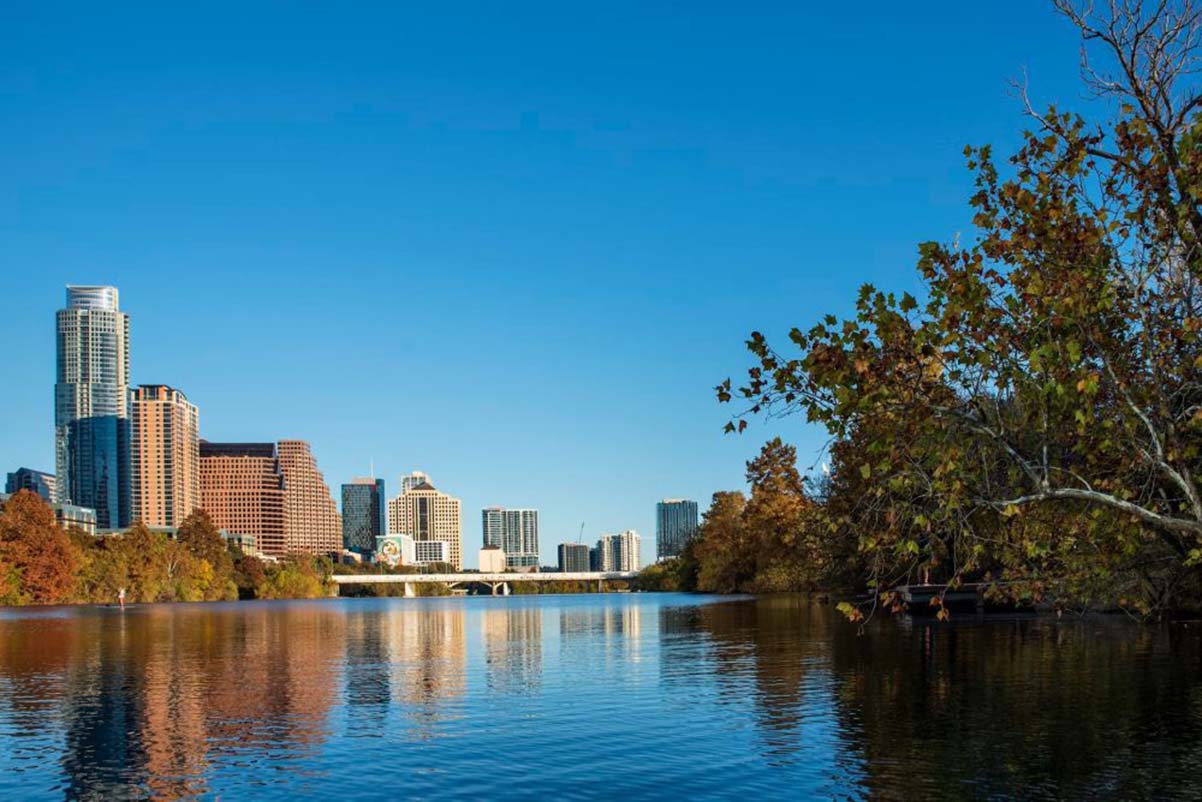
The air in Austin carries a kind of unhurried defiance. It’s a city that greets newcomers not with the brash clang of a metropolis but with a subtle, enveloping warmth that hints at something different. The skyline, visible even from the plane before touchdown, glows golden at sunset, punctuated by sleek towers and silhouetted trees. Most cities make you choose—grit or green, pace or peace. Austin simply doesn’t bother with the dichotomy.
Landing felt like touching down in a place that remembers the earth beneath the asphalt. The airport is only minutes from downtown, yet the journey felt like a gentle descent through woodlands. I didn’t just arrive; I wandered in.
2. Lady Bird Lake: The Beating Green Heart
At the very center of Austin’s geographical and psychological map lies Lady Bird Lake. Not a true lake, but a dammed portion of the Colorado River, its still waters cradle the city. The edges are lined with trails that wind like veins through this living organism of a city. Every morning, joggers, cyclists, and dog walkers flood the paths like clockwork, each seemingly in silent communion with the soft rhythm of the water.
I rented a kayak near Congress Avenue Bridge. From the water, the city seems to lean in. Glass buildings shimmer in reflection, while herons dart between lily pads. The contrast is not jarring—it is seamless. There is no intrusion here. Buildings do not encroach upon nature; they rise among it, rooted and respectful.
Paddling westward, turtles sunbathed on partially submerged logs. Dragonflies zipped by like tiny neon messengers. Even in the hum of nearby traffic, a deeper quiet prevailed. The water absorbs the noise, transforms it into a backdrop, like a distant drumbeat under a symphony of rustling trees and distant laughter.
The Ann and Roy Butler Hike-and-Bike Trail loops around the lake, offering views that evolve with each step. One moment, I was under a dense canopy of pecan trees; the next, I was staring across the water at the state capitol dome. The city never disappears here—it simply waits respectfully at the tree line.
3. Zilker Park: The Urban Pasture
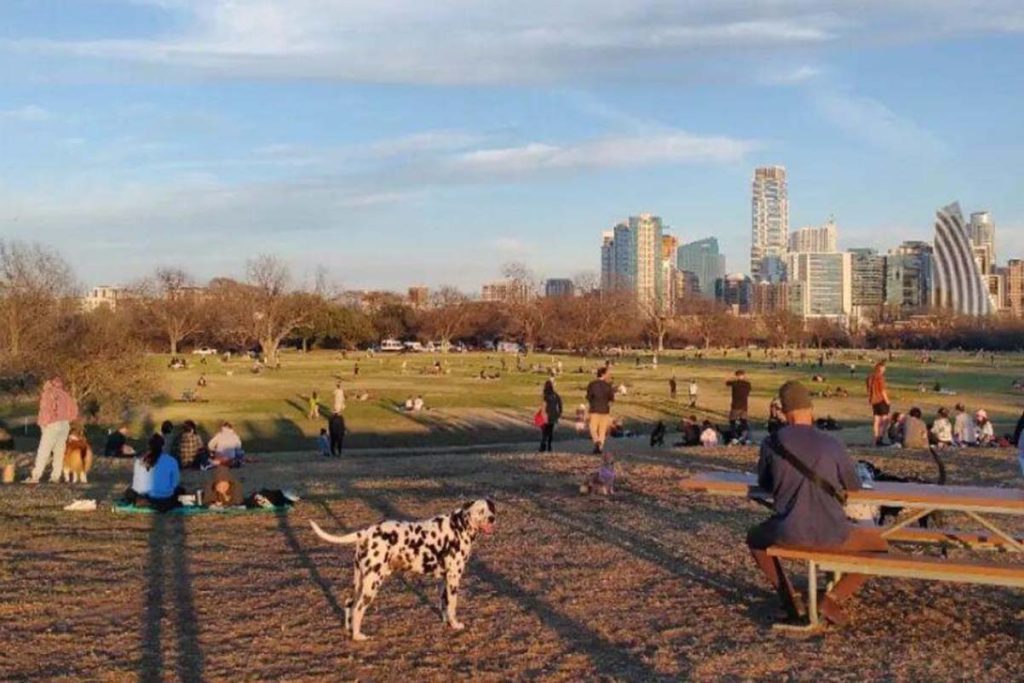
Zilker Park lies adjacent to Lady Bird Lake, sprawling across 350 acres like a natural amphitheater welcoming everyone. Families picnicked beneath centuries-old oaks. Frisbees floated lazily overhead. Somewhere in the distance, a guitar strummed. The park didn’t feel curated—it felt inherited, as though the city grew up around it rather than the other way around.
I made my way to Barton Springs Pool, a natural limestone spring fed by underground aquifers. The water maintains a year-round temperature of about 68°F (20°C), which is bracing but irresistible in the Texas heat. Children cannonballed. Locals floated like driftwood. I lowered myself slowly, each inch of water a clean page in a fresh chapter.
This wasn’t a swimming pool. It was a rite of passage.
The banks surrounding the pool buzzed with life: yoga mats, coffee flasks, poetry books, and an occasional sleeping dog. I found a flat rock near the edge, toes dangling in the current. Even the lizards here looked relaxed, sunning themselves with theatrical indifference.
There was no separation between urban life and natural immersion. I could hear the distant echo of a live band from a downtown patio, yet I was practically nose-to-nose with a damselfly.
4. Greenbelts and Trails: Hidden Arteries of Wilderness
One of the most surprising aspects of Austin’s layout is how it tucks wilderness into its folds. The Barton Creek Greenbelt, for instance, stretches nearly 13 miles through the city, but it feels like stepping into an undiscovered territory. It doesn’t announce itself; it reveals itself.
The entrance near Zilker is discreet. A shaded path winds down into a canyon filled with sycamores and limestone. The temperature dropped as I descended. I could hear the chatter of creek water over stone. I followed the trail deeper, passing climbers tackling sheer rock faces and mountain bikers weaving through roots and shadow.
Several swimming holes dot the greenbelt—Campbell’s Hole, Twin Falls, Sculpture Falls—each a jewel nestled in the rough. I hiked to Sculpture Falls, my steps cushioned by soft dirt and damp leaves. The waterfall wasn’t grand in size, but it was arresting in sound and shape. Water spilled over smooth limestone into clear, cool pools. I dipped in and let the gentle current pull at me.
Around me, people lounged in hammocks or scrambled up boulders. There was conversation but never clamor. Even in company, the solitude felt intact. Civilization lingered only a few hundred yards away, but the Greenbelt felt like it belonged to an older, wilder time.
5. Mount Bonnell: Sky and Stone
At 775 feet, Mount Bonnell is one of the highest points in Austin, and climbing its stone steps delivers more than a view—it delivers perspective. The path is short but steep. Each step upward reveals a broader stretch of the Colorado River, winding like a silver thread through emerald hills and terracotta rooftops.
I reached the summit at golden hour. The sun spread across the water like melted copper. Downtown shimmered in the distance, proud yet distant, like a noble on a hill.
Couples held hands on benches. Children pointed at paddleboarders far below. A breeze whispered through the cedar trees, carrying with it the faint scent of sagebrush. The overlook wasn’t crowded, but it was never empty. This was a shared space of contemplation.
Beneath the overlook, the river carved elegant arcs between cliffs and canyons. There were no fences, no glass barriers. Just sky and stone. It made the city feel like a visitor here—respected, welcomed, but never dominant.
6. Wildflower Center: Nature in High Art
South of downtown, the Lady Bird Johnson Wildflower Center invites a different kind of awe. It is cultivated, but never sterile; organized, yet reverent. The paths wind through native Texan flora, each garden a chapter in a botanical epic.
Bluebonnets and firewheels danced in the breeze. Cacti bloomed with improbable color. Bees hovered in intricate choreography. There is a difference between planting a garden and letting it speak. The Wildflower Center listens. It doesn’t dominate nature—it translates it.
I wandered through the savanna meadow, the arboretum, the hill country trails. Each section had its own rhythm. Butterflies clustered on milkweed. A jackrabbit bolted across the path. The architecture, made from native limestone, felt less like construction and more like sculpture. Even the buildings bowed to the landscape.
Inside the visitor center, exhibits detailed the ecological impact of native plant restoration. Outside, the land told its own story.
7. The Bats of Congress Avenue Bridge: Nature in Flight
At dusk, a different kind of miracle occurs. From March to November, the underside of Congress Avenue Bridge becomes a living curtain, from which nearly 1.5 million Mexican free-tailed bats emerge each night. It’s not a show. It’s a migration. And it’s spellbinding.
Crowds gather on the bridge and below on boats and paddleboards. The air holds its breath. And then—movement. A swirl. A whisper. A dark ribbon curls into the twilight, rising like smoke, undulating in instinctive choreography.
I watched from the water, floating under the bridge as the bats took flight. The sound of their wings was barely audible, yet unmistakable. A hush fell over the onlookers, not out of fear but reverence. Here was the natural world operating on its own clock, unconcerned with our schedules.
Lights flickered on across the skyline, but the true illumination came from above—from the mass of life silhouetted against a coral sky.
8. The Hill Country: Where the Wild Meets the Refined
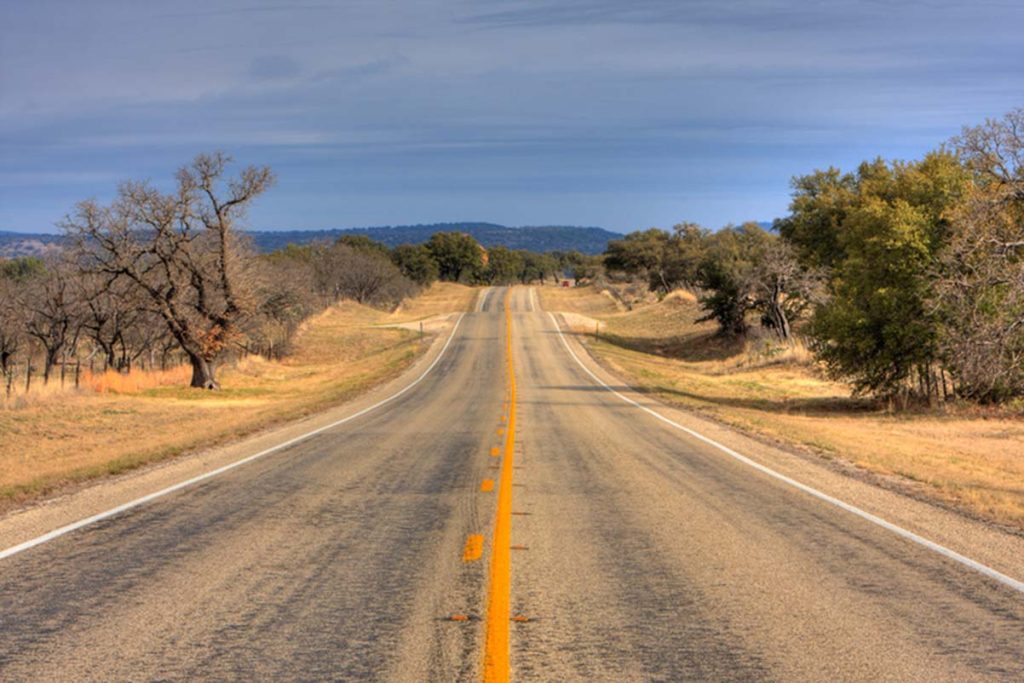
Beyond the city limits, westward toward the Texas Hill Country, Austin’s reach continues through rolling hills and winding roads. I drove out early, mist still clinging to the grass. The terrain shifted—flatter lands gave way to limestone ridges and valleys stitched together with oak and mesquite.
Pedernales Falls State Park beckoned. I hiked along the riverbanks where waterfalls tumble over terraced stone. The rocks had been worn smooth by centuries of water, each groove a record of time. I climbed one of the higher formations and sat in silence. The only sound was the rushing water and a distant hawk call.
Later, I wandered into Dripping Springs and sampled wines at a vineyard surrounded by wildflowers and rustling grasses. The contrast was stark yet seamless—untamed land and cultivated taste. Both spoke of place, of patience, of pride.
Everywhere, there was sky.
9. Red Bud Isle: The Quiet Within the City
Back within Austin proper, Red Bud Isle floats quietly in the Colorado River, accessible only by a single-lane bridge near the Tom Miller Dam. It is a leash-free dog park, but it might as well be a sanctuary.
I walked the loop trail as golden retrievers and terriers splashed gleefully into the water. The trees here grow low and wide, arching over the trail like cathedral beams. Fallen leaves softened my footsteps. At one point, I sat on a bench and closed my eyes. The soundscape was layered—panting dogs, trickling water, birdsong, distant conversation. Each sound distinct, yet harmonious.
A canoe passed by, slicing the water in slow motion. The paddler raised a hand in greeting. I raised mine in return. We said nothing. We didn’t need to.
10. Mayfield Park: Peacocks and Reflection
Tucked just off 35th Street, Mayfield Park feels like a secret. The gardens, enclosed by stone walls and shaded by bamboo, are home to free-roaming peacocks. Their calls echoed off the trees like curious laughter.
I wandered the trails, pausing often. Small ponds held koi and lilies. Stone paths led to quiet nooks perfect for reflection. The peacocks strutted with theatrical pride, their plumage catching sunlight like stained glass in motion.
There was no ticket booth, no bustling crowds. Just the soft rustle of wings, the crunch of gravel underfoot, and the scent of magnolia in the air.
11. Shoal Creek Trail: The Vein Beneath the Surface
Shoal Creek runs parallel to downtown, often hidden behind office buildings and parking garages, yet always flowing. I followed it northward from Pease Park, where limestone cliffs towered above and sycamores arched across the trail.
The creek whispered below, its surface catching occasional sunbursts through the foliage. The city could be heard—horns, conversations, the distant clang of construction—but only as a thin membrane of sound. The deeper into the trail I walked, the more the city blurred.
Under bridges, murals marked time. Birds darted from tree to tree. Occasionally, I passed other walkers, each seeming caught in their own reverie.