Houston, Texas—America’s fourth-largest city, a melting pot of cultures, cuisines, and characters. Upon arrival, one quickly senses the magnitude of its ambition. This is not a city that whispers; it speaks boldly in steel, glass, and barbecue smoke. Skyscrapers rise like steel sentinels, highways braid the land in looping arcs, and the warmth of its people runs as deep as the Gulf waters that lap at the Texas coast. Whether one is drawn by curiosity, business, or sheer wanderlust, Houston promises to deliver more than expected. It’s a place that both surprises and satisfies.
During this visit, I set out to discover the very best of Houston—a curated itinerary for any traveler stepping into the Bayou City for the first time. What follows is a handpicked selection of ten attractions, not simply chosen for their popularity, but for their power to reveal Houston’s soul.
1. The Museum of Fine Arts, Houston – A Cultural Cathedral
Standing proudly in the heart of the Museum District, the Museum of Fine Arts, Houston (MFAH) presents more than just artwork—it offers an odyssey across civilizations. From the delicate brushstrokes of 17th-century Dutch painters to the angular defiance of contemporary sculpture, the collection spans continents and centuries.
Walking through the Caroline Wiess Law Building, one encounters ancient Egyptian artifacts, Japanese screen paintings, and dramatic European canvases. A short stroll through the underground tunnel—an immersive installation by artist James Turrell—leads to the Nancy and Rich Kinder Building, which houses modern and contemporary art with architectural aplomb. The interplay of natural light and structural elegance here feels almost spiritual.
And then, of course, there is the sculpture garden, designed by Isamu Noguchi, a serene green respite where steel, stone, and silence meet. It is tempting to linger there longer than planned, watching sunlight cast shifting shadows across monumental forms.
2. Space Center Houston – Where the Future Launched
To visit Houston and not explore its legacy in space exploration would be like visiting Paris and ignoring the Eiffel Tower. The Space Center Houston is more than a museum—it’s a testament to human imagination and technological triumph.
Here, one stands beneath the massive Saturn V rocket and feels dwarfed by its magnitude—not only in size but in historical significance. The center provides a riveting mix of interactive exhibits, rare spacecraft, astronaut memorabilia, and the thrilling opportunity to touch an actual moon rock.
A tram tour carries visitors to NASA’s Johnson Space Center, where astronauts train and mission control still operates. There’s a sense of reverence in viewing the original Apollo-era Mission Control Room. The rust-colored carpet and analog switches are anachronistic, yet their role in human achievement remains timeless.
One leaves with the inescapable thought: if mankind can do this, what else lies within reach?
3. Houston Museum of Natural Science – Time in a Bottle
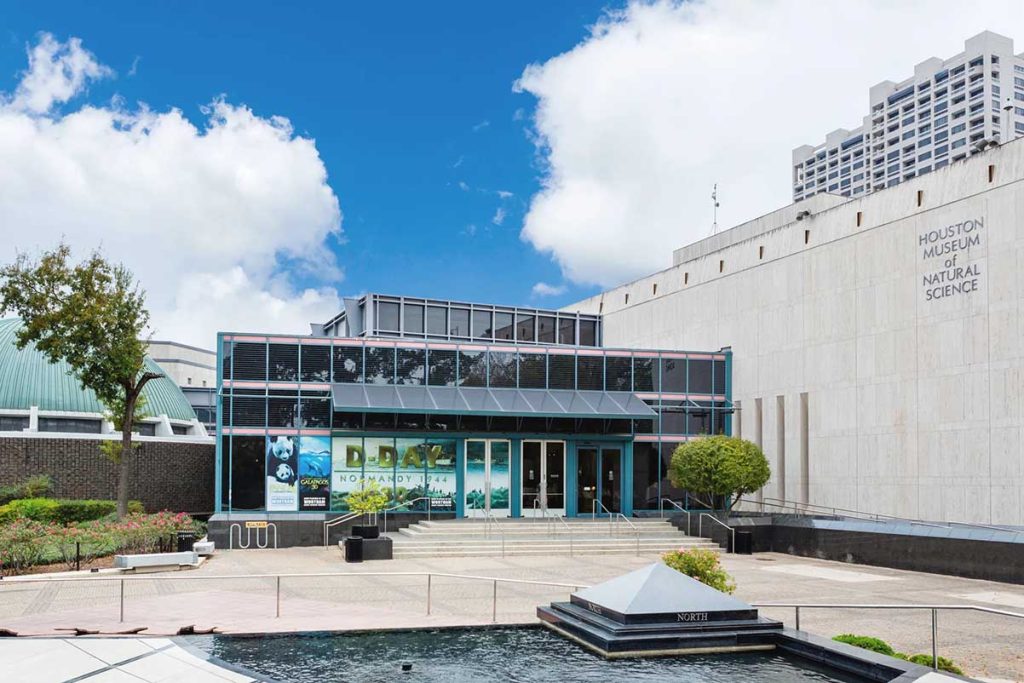
With its gleaming white façade and grand columns, the Houston Museum of Natural Science commands both attention and respect. Inside, it unfolds like a storybook written by eons. From towering dinosaur skeletons to glittering gems locked in geologic time, the museum invites a kind of awe that is both humbling and invigorating.
The Morian Hall of Paleontology deserves particular mention—not simply for its impressive collection, but for the way it’s displayed. Creatures are posed as if mid-movement, engaged in prehistoric drama. One almost expects them to breathe.
A visit to the Burke Baker Planetarium offers celestial escapism. Leaning back in the reclining seats, gazing at simulated galaxies, it’s easy to forget one’s place in the everyday and drift into the cosmos.
The Cockrell Butterfly Center brings visitors back to Earth—in the most enchanted way. A glass-enclosed rainforest, teeming with butterflies that flutter freely, invites a meditative stillness. To stand quietly and feel one of them rest on your shoulder is to experience something tender and profound.
4. The Houston Zoo – A Living Tapestry of the Animal World
Tucked into the larger Hermann Park, the Houston Zoo is an experience that transcends age. This isn’t merely a space to observe animals—it is a sanctuary of education, conservation, and immersion.
From the African Forest with its high-canopy walkways and cheeky chimpanzees to the Elephant Habitat where gentle giants splash in their pools, each exhibit is crafted to evoke both environment and empathy. The zoo’s commitment to species preservation is not just stated—it’s felt.
One of the most engaging features is the Texas Wetlands exhibit, showcasing native wildlife often overshadowed by exotic species. Alligators, bald eagles, and river otters remind visitors that wonder doesn’t require a passport—it can be found in one’s own backyard.
Children giggle at sea lions; adults marvel at the majesty of big cats; and everyone, at some point, stands quietly at the gorilla habitat, lost in the eyes of something too human to be called merely animal.
5. Buffalo Bayou Park – Nature’s Artery in the Urban Heart
A river winds through Houston, not simply as a geographical feature, but as a metaphor—ever-moving, reflective, quietly enduring. Buffalo Bayou Park is the green thread that ties the city together, a ribbon of nature amid concrete and commerce.
Spanning over 160 acres, this urban oasis offers walking and biking trails, art installations, dog parks, and the chance to kayak with a view of the skyline. The park is meticulously designed, blending wild prairie grasses with polished landscaping.
Worth noting is the Cistern, a former underground reservoir now transformed into a hauntingly beautiful art space. Its echoing chambers and mirrored waters host immersive installations that feel as ancient as myth and as modern as imagination.
In the stillness of dawn or the gold-washed light of early evening, one feels a serenity that is rare in cities of this size. It is a space that invites thought, fosters connection, and restores the senses.
6. Minute Maid Park – Baseball in the Bayou City
Few sounds evoke Americana quite like the crack of a bat and the roar of a crowd. At Minute Maid Park, home of the Houston Astros, these sounds reverberate within a stadium that seamlessly blends tradition and innovation.
Set in what was once Houston’s Union Station, the park retains architectural nods to its past. A vintage train chugs along the outfield wall when the Astros score a home run, a delightful bit of pageantry that charms even the baseball agnostic.
Beyond the game itself, the stadium offers culinary options that rival those of downtown bistros. From Tex-Mex tacos to gourmet brisket sandwiches, this is not your typical concession fare.
Whether one is perched behind home plate or lounging on the outfield hill during a fireworks night, the experience is immersive. It is not merely sport—it is spectacle, community, and narrative.
7. Houston’s Chinatown and Asiatown – A Feast for the Senses
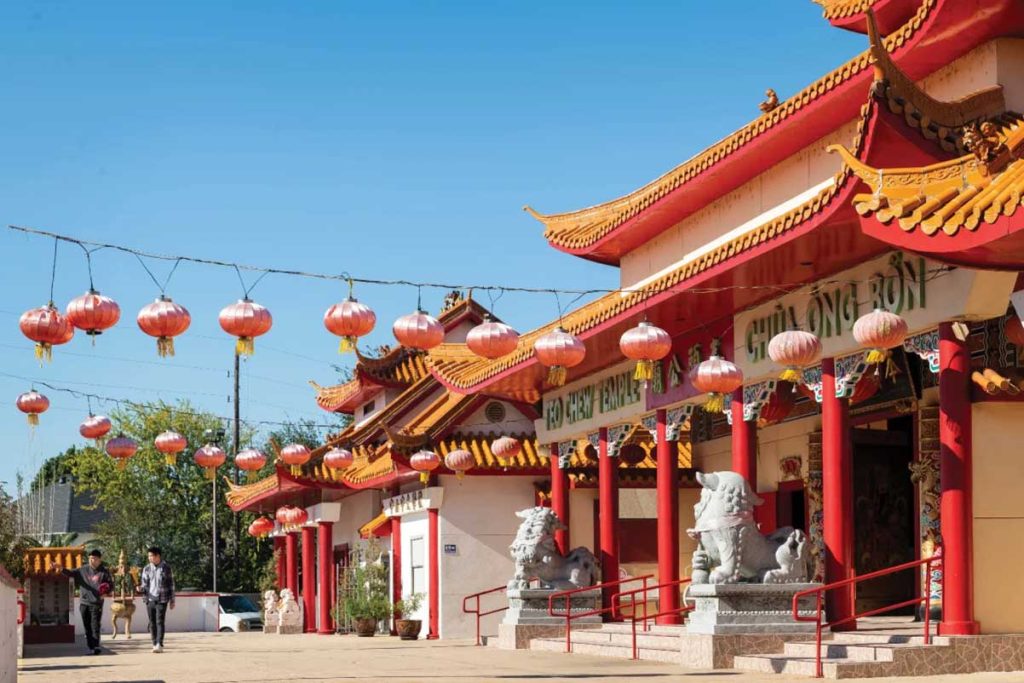
To speak of Houston’s food scene and omit its sprawling Chinatown (sometimes referred to more accurately as Asiatown) would be culinary blasphemy. Located primarily along Bellaire Boulevard, this district is a vibrant network of noodle houses, bubble tea cafes, herbal medicine shops, and sprawling Asian supermarkets.
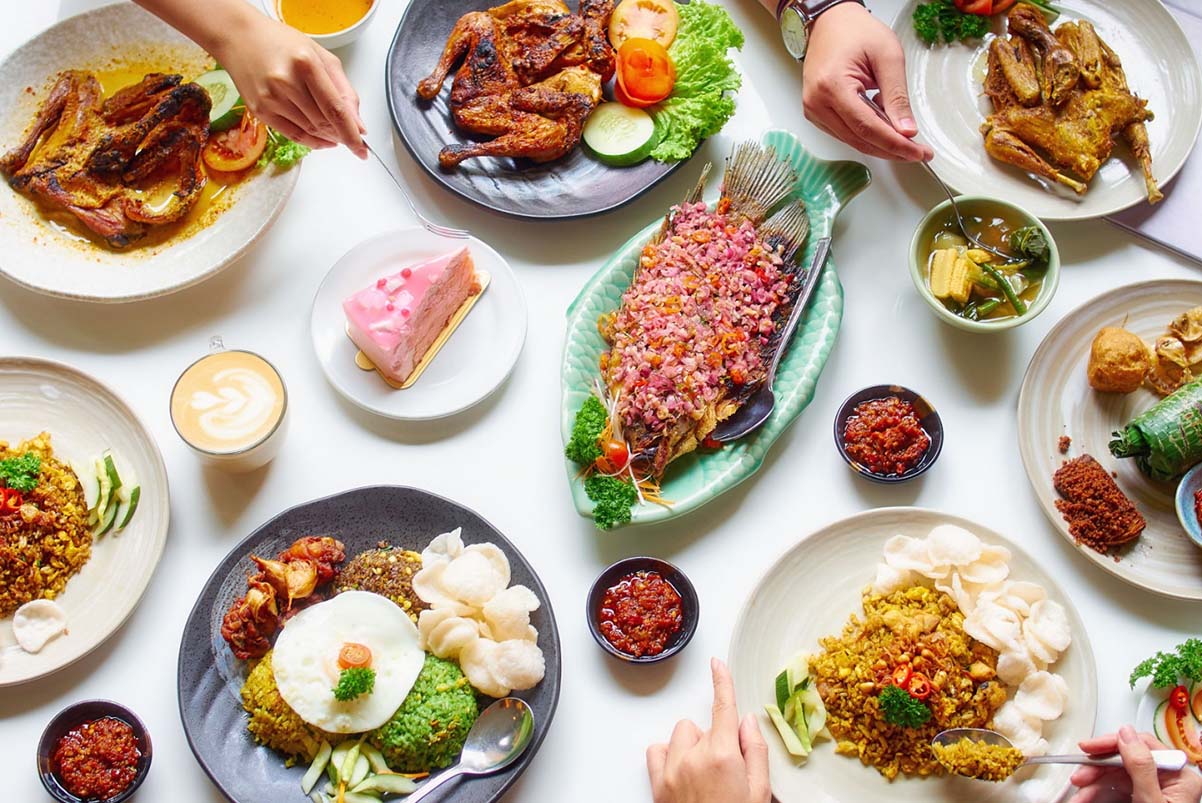
Dim sum brunches stretch luxuriously into afternoon. Dumplings arrive steamed, pan-fried, soup-filled. Vietnamese pho simmers in aromatic broth that could warm a weary soul. Korean BBQ sizzles on tabletop grills amid laughter and clinking glasses.
This is a place best explored with appetite in tow and plans left flexible. One does not “check off” Chinatown—it is wandered, savored, returned to. The language barriers melt in the presence of good food and generous hospitality.
For those inclined, a stop at Hong Kong City Mall yields not just groceries but a cultural immersion—a dive into fashion, flavors, and festive chaos.
8. The Menil Collection – Intimate, Illuminated, Iconic
Nestled in the Montrose neighborhood beneath a canopy of live oaks, the Menil Collection stands as one of Houston’s most serene treasures. Its exterior is modest—a building of gray clapboard and cool restraint—but within lies a world of breathtaking contrast and thoughtful curation.
This is not a museum that overwhelms. It invites. It does not bombard the senses; it cultivates silence and reflection. Inside are works by Picasso, Matisse, Rothko, Magritte, and Duchamp. Each is given space to breathe, to linger, to be seen.
The Rothko Chapel, adjacent to the main museum, is not just an annex but a pilgrimage. Within its octagonal walls hang fourteen massive canvases, deep in hue and heavy with presence. The room is utterly still, drawing visitors inward into something spiritual, even sacred. The benches, placed with reverence, offer not merely a view but an invitation—to think, to feel, to stop.
The Menil Campus is also home to the Byzantine Fresco Chapel, the Cy Twombly Gallery, and green lawns that whisper of European courtyards. It is an area that encourages both solitude and dialogue, where art lives not behind velvet ropes but within human encounter.
9. The Houston Livestock Show and Rodeo – Boots, Barbecue, and Big Texas Energy
While it doesn’t run year-round, timing a visit to coincide with the Houston Livestock Show and Rodeo (held annually from late February through March) offers a one-of-a-kind window into Texas tradition. For three weeks, NRG Park transforms into a whirlwind of cowboy culture, country music, and deep-fried culinary audacity.
The rodeo competitions are thrilling: bull riding, barrel racing, calf roping. But the spectacle expands far beyond the arena. Carnival rides glow against the Texas dusk, livestock barns teem with schoolchildren and prize pigs, and barbecue contests border on spiritual warfare.
Even the music is larger than life. Major headliners—ranging from George Strait to Beyoncé—take to the revolving stage nightly, delivering performances that electrify the 70,000-seat stadium.
There’s a pride that pulses through the crowd, hats tilted back, boots dusted in arena clay, as Texans and visitors alike cheer, sing, eat, and celebrate the unapologetic scale of the event.
To call it a festival would be to underestimate it. This is tradition made manifest—rowdy, proud, and unforgettable.
10. The Heights – Where Old Houston Lives and Breathes
To understand a city, one must wander its neighborhoods. The Heights is perhaps Houston’s most distinctive—historic yet vibrant, preserved yet dynamic. Victorian houses line oak-shaded streets, while boutiques, cafes, and galleries fill old storefronts with fresh purpose.
Strolling down 19th Street offers the charm of a bygone era mixed with the buzz of modern creativity. Antique shops rub shoulders with indie bookstores and vegan bakeries. There’s a sense of continuity here, a respect for the bones of the place.
White linen brunches spill onto patios where dogs nap under tables. Local artists paint murals that speak in color and movement. Old churches chime the hour in bells that echo across blocks that feel unchanged since the 1920s.
One can pause at Donovan Park and watch children climb wooden castles. Or duck into Boomtown Coffee for an espresso that rivals any Brooklyn café, served with southern hospitality.
The Heights rewards slow exploration. It’s not a place to be rushed. It is savored, like a good conversation on a front porch swing.
11. More Than a List, a Living City
These ten locations offer more than entertainment—they provide insight. Each is a chapter in the story of Houston, and no two are alike. One moment the city evokes the thrill of space travel, the next, the reverence of ancient art. It is a place of contradictions that somehow cohere: high-tech and homegrown, sprawling and intimate, relentless and gracious.
In Houston, every corner hums with the pulse of possibility. One walks under live oaks and past food trucks, through academic corridors and down bayou trails. The skyline changes as quickly as the weather, and the people—diverse, proud, engaged—add depth to every interaction.
When the time comes to leave, one does not simply check off the final item on an itinerary. Instead, there remains a lingering sensation of more to uncover, more to taste, more to understand.